12 Road Trip Car Organization Ideas for a Calmer Drive
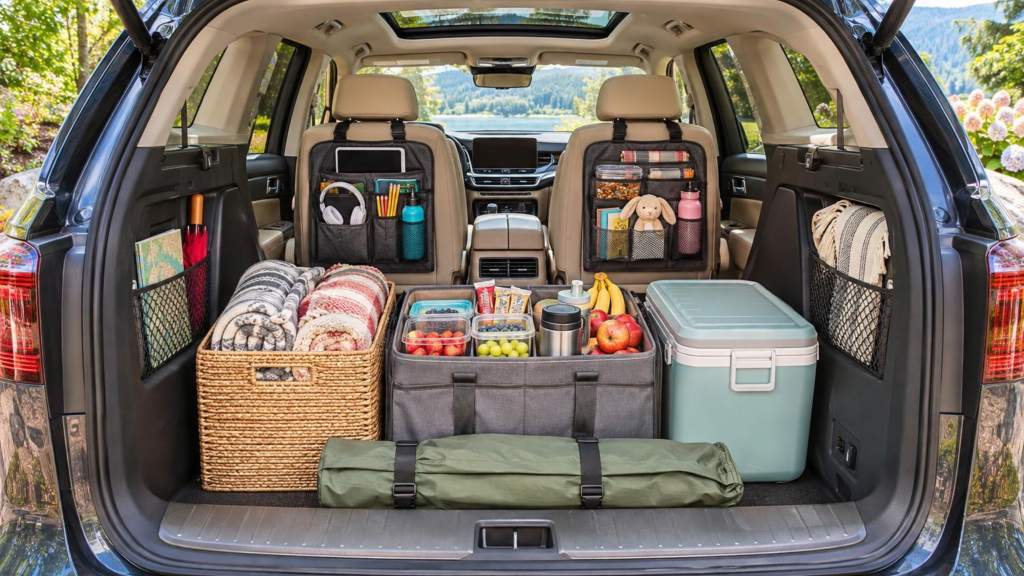
These road trip car organization ideas give every item a spot, so the car still feels calm on day five. A car is a small space you share for hours. Without a plan, it fills with wrappers, cords and loose shoes by lunch.
Before you pack, measure the trunk floor, the space under the front seats and the distance from your charging ports to the back seat. Then decide what each person needs within reach and what can ride in the back.
In this guide
- Pack the trunk in layers
- Pack a one-night bag
- Use packing cubes inside soft duffels
- Add a trunk organizer
- Give back-seat riders a seat-back organizer
- Set up the driver's zone
- Use the space under the seats
- Build a snack bin and a cooler spot
- Plan for trash
- Make a charging hub
- Keep papers in one pouch
- Pack a roadside kit in its own bin
- Picks that go with it
- Questions people ask
Pack the trunk in layers
Load the trunk in the order you'll need things. Heavy bags and gear go first, on the floor. The things you'll grab at the next stop go in last, near the opening.
You won't unload half the car to find one bag, and heavy items stay low and stable.
Push heavy things forward against the back of the rear seat. Keep the load below the top of the seat backs, so nothing can slide forward in a hard stop and you can still see out the rear window.
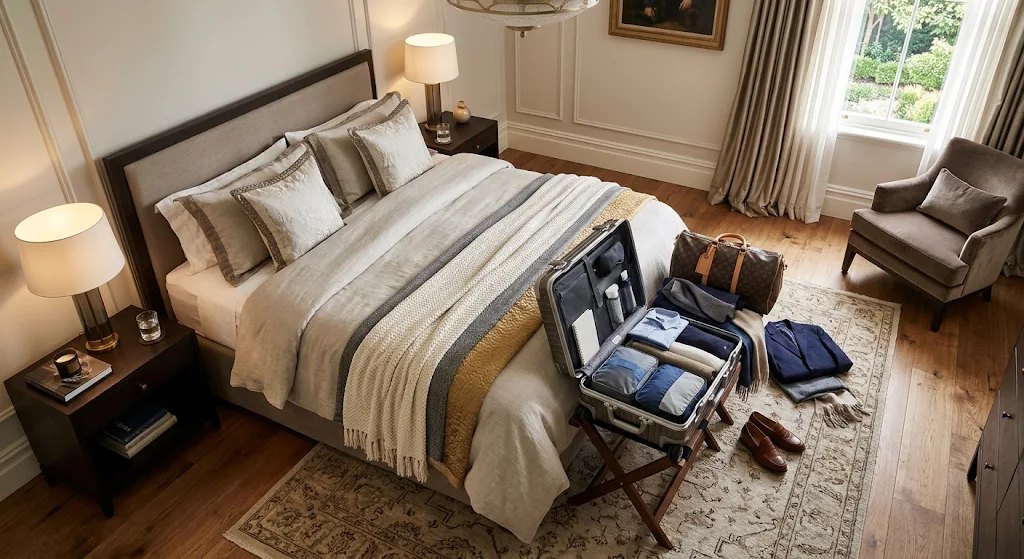
Pack a one-night bag
For trips with overnight stops, put everyone's pajamas, toothbrushes, chargers and next-day clothes in one shared bag.
At the hotel, you carry in one bag instead of every suitcase. The rest of the car stays packed and organized.
Load it last so it comes out first. A medium duffel usually holds a night's things for two or three people. Refill it each morning from the main bags.
Use packing cubes inside soft duffels
Put each person's clothes into packing cubes, then pack the cubes into soft duffels instead of hard suitcases.
Soft bags squish into the odd shapes of a trunk. Cubes keep clothes sorted when you dig for one shirt at a rest stop.
Give each person one cube color so anyone can find their own. Measure the trunk height under the cargo cover, if you have one, and keep stuffed duffels below it.
Add a trunk organizer
A trunk organizer with dividers, or a collapsible crate, keeps groceries, shoes and small gear from sliding around.
Loose things in a trunk shift on every turn. Dividers keep the small stuff in one place so it doesn't end up under the bags.
Measure the trunk floor between the wheel wells, which is usually the narrowest point. Leave room behind it for the bags that need to stay accessible.
Give back-seat riders a seat-back organizer
A seat-back organizer hangs on the back of a front seat. Each rider gets their own pockets for a water bottle, a book, headphones and snacks.
Passengers can reach their own things without asking the driver, and the back-seat floor stays clear.
Measure the seat back's width and height, and check that the straps fit around the headrest posts. Keep heavy or hard items out of the pockets. They sit right in front of someone's knees.
Set up the driver's zone
Keep only what the driver needs within reach: sunglasses, a phone mount, a charging cable and a toll pass. Put it in the console or a small between-seat organizer.
A tidy driver's zone means less reaching and looking down while the car is moving.
Keep the driver's floor completely clear, since a loose bottle can roll under the pedals. Never mount anything on or in front of an airbag panel, often marked SRS or Airbag. Rules on windshield mounts vary by state, so check yours.
Use the space under the seats
The space under the front seats, reached from the back footwells, is good for flat things like an umbrella, a blanket or a pair of flip-flops.
It's storage that takes nothing from passengers, as long as items stay put.
Many cars have only a few inches of clearance under the seats, so measure with the seats in their usual spot. Use a flat bin, and make sure nothing can slide forward toward the driver's pedals.
Build a snack bin and a cooler spot
Portion snacks into small reusable bags before you leave, and keep them in one bin. Set a soft cooler on the floor behind the passenger seat.
One bin means no rummaging through grocery bags at 60 mph. The floor behind the passenger seat keeps the cooler reachable and out of the driver's way.
Measure that footwell before you choose a cooler size. Freeze a few water bottles to use as ice packs. They turn into cold drinks as they melt.
Plan for trash
Pick one trash spot and line it with a bag. A small lidded car trash can or a tall cereal container with a lid works well.
Trash spreads fast in a small car. One lidded spot keeps wrappers and sticky cups contained.
Measure the space where it will ride, like the back of the console or a door pocket. Pack a roll of small bags in the bottom of the bin, and empty it at every fuel stop.
Make a charging hub
Use one multi-port charger and give each person one labeled cable.
Fewer plugs means fewer tangles. Labels end the arguments about whose cable is whose.
Measure from your car's charging ports to the back seat before you buy cables. Back-seat riders often need about 6 ft or more. Common lengths are about 3, 6 and 10 ft. Mark each cable with a strip of colored tape.
Keep papers in one pouch
Put your registration, insurance card, roadside assistance number and any reservations in one slim pouch in the glove box or a visor organizer.
When you need them, at a traffic stop or a hotel desk, you won't dig through the whole glove box.
Take a photo of each document as a backup, and keep a pen in the pouch. A visor organizer should sit flat and never block your view when the visor is down.
Pack a roadside kit in its own bin
Keep jumper cables, a flashlight, a first-aid kit, a tire pressure gauge, reflective triangles, water and a blanket together in one small bin.
If something goes wrong, you grab one bin instead of unpacking the trunk on the shoulder of the road.
Pack it along one side of the trunk where it stays reachable even when the car is full. Check the spare tire before you leave. The right pressure is listed on the placard inside the driver's door jamb or in the owner's manual.
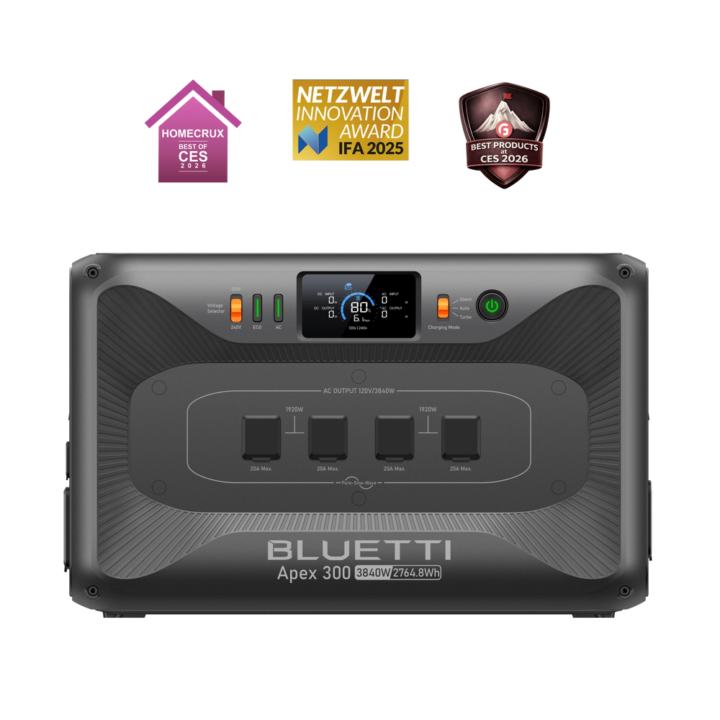
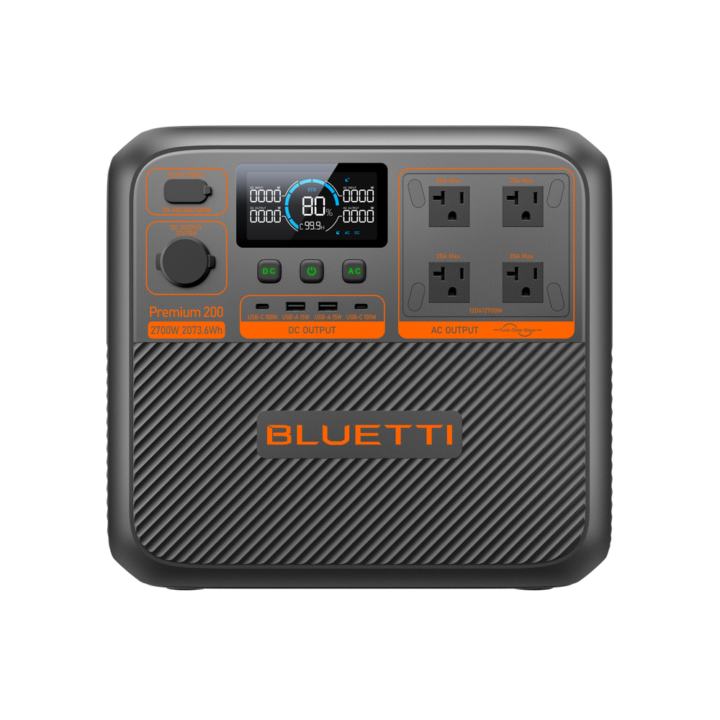
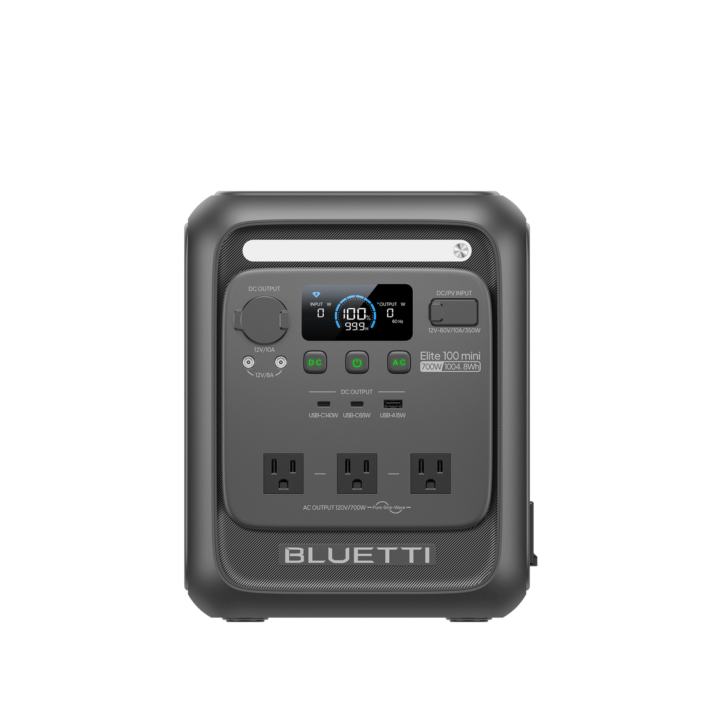
Picks that go with it
Questions people ask
How do you keep a car organized on a long road trip?
Give everything a zone and reset daily. Empty the trash at every fuel stop, put things back in their bins each night, and repack the trunk in the same order so you always know where things are.
Where should heavy items go in the car?
On the trunk floor, pushed forward against the back of the rear seat. Keep the load below the top of the seat backs so nothing can slide forward in a hard stop and you can still see out the rear window.
How do you organize a car for a road trip with kids?
Give each child a seat-back organizer with their own snacks, a water bottle and a few quiet activities, so they can reach things without help. Keep wipes, a trash bag and a spare change of clothes in a bin up front.
Every idea in this guide on one page, to tick off as you go.
Open the printableNew guides and honest picks for every size of home. No spam. Unsubscribe anytime.