12 Van Life Storage Ideas That Hold Up on Bumpy Roads
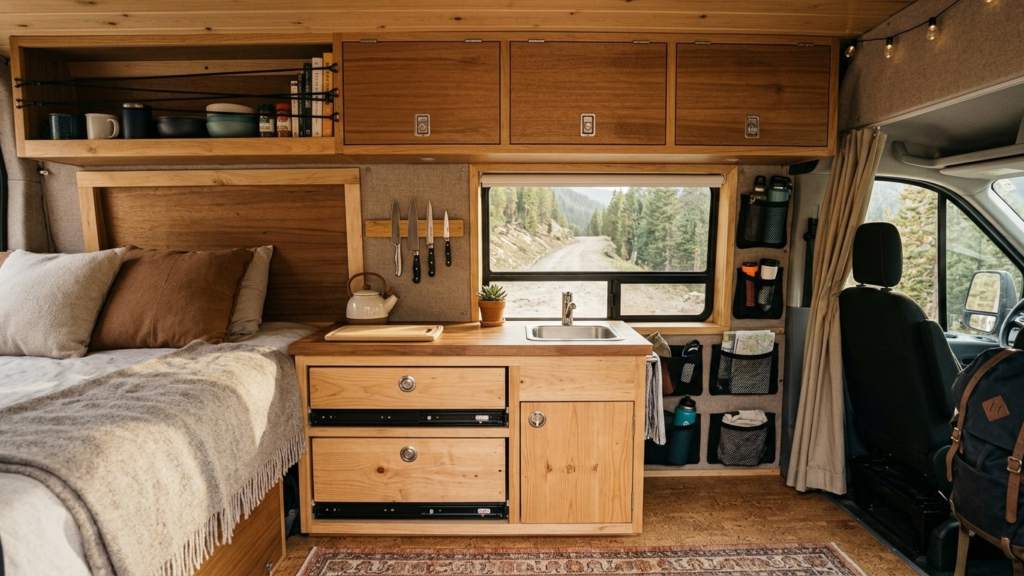
The best van life storage ideas solve two problems at once: fitting everything in, and keeping it put while you drive. A van moves. Anything loose will slide, rattle or fly when you brake hard.
So plan with three numbers: your inside dimensions, the height you want under the bed, and your payload. Payload is the most weight in people and cargo your vehicle should carry. It's printed on a sticker inside the driver's door jamb.
In this guide
- Load heavy things low and centered
- Raise the bed for a garage
- Choose latching bins sized to the space
- Tie everything down
- Pick cabinet latches that lock
- Pack clothes in soft cubes
- Put the back doors to work
- Use the cab seat backs
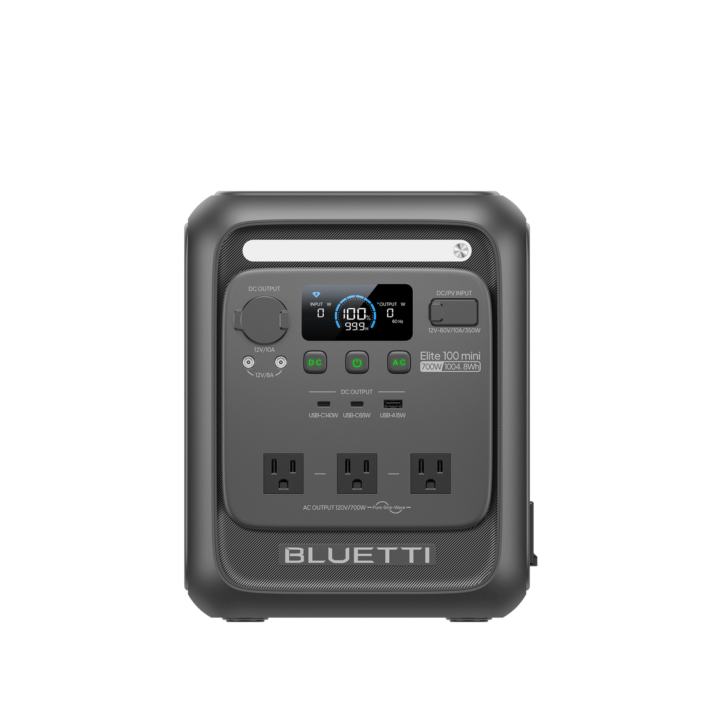
- Give your power station a fixed home
- Hang light gear from the ceiling
- Add fiddles and non-slip liner
- Do a rattle test before a trip
- Picks for your van & tiny home
- Questions people ask
Load heavy things low and centered
Water, tools, cast iron and canned food are the heaviest things you carry. Keep them low and as close to the middle of the van as you can, between the front and rear wheels.
The van handles more steadily on turns and in wind, and a heavy jug can't fall from a high shelf.
Water weighs about 8.3 lb per gallon, so a 5 gallon jug is about 42 lb. Add up water, gear and people, and stay under the payload on your door sticker with room to spare.
Raise the bed for a garage
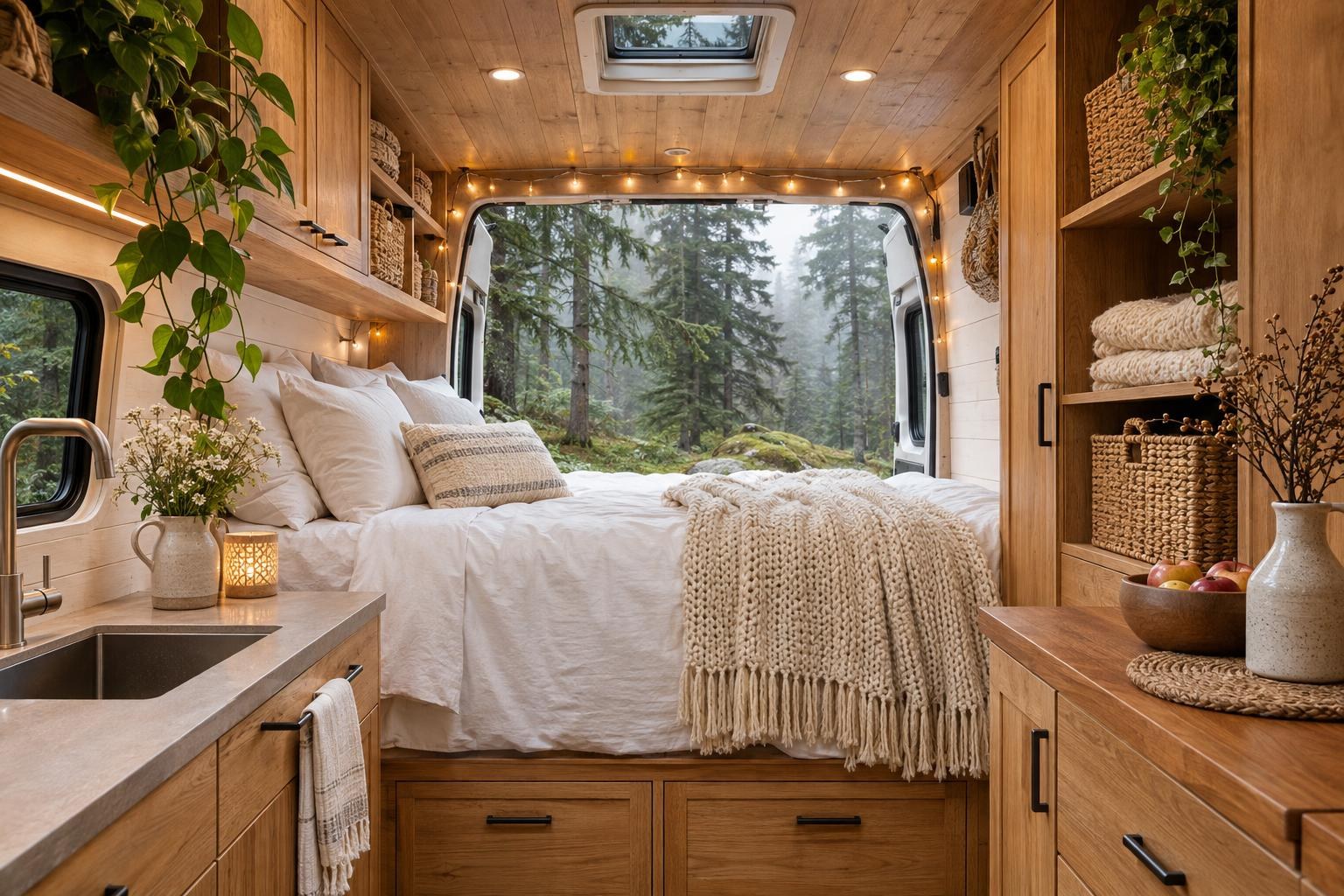
A fixed platform bed at the back creates a garage underneath for bins, chairs, a bike or tools. It's often reachable from the back doors.
It's usually the biggest storage space in the whole van, and it keeps bulky gear out of your living area.
Every inch you raise the bed adds garage height, but you still want to sit up in bed. Sit on the floor against a wall, measure to the top of your head and add a few inches. That's the room you need between the mattress and the ceiling.
Choose latching bins sized to the space
Pick bins with lids that clip shut. Lids that just rest on top can pop open on a pothole.
Same-size bins stack and slide like drawers, so the garage stays orderly instead of turning into one big pile.
Measure the garage height and depth, then subtract about 1 in from each so bins slide in and out easily. Label the end of each bin that faces you, not the lid.
Tie everything down
Use cargo straps with tie-down points or a track system on the floor and walls to hold bins, coolers and gear in place.
Straps keep heavy things from shifting into the back doors, and they quiet a lot of rattles.
Anchor points about every 12 to 18 in give you plenty of options. Make sure each strap and anchor is rated well above the load it holds, and re-tighten after the first few hours of a trip.
Pick cabinet latches that lock
Overhead cabinets and drawers need latches that hold under force. Push-button or positive-lock latches are a safer pick than light magnetic catches.
One sharp stop can throw a cabinet door open and empty it onto the floor, or onto you.
Van upper cabinets are often shallower than house cabinets, so measure inside depth before you buy containers. Then test each latch by tugging the door hard. If it opens in the driveway, it will open on the road.
Pack clothes in soft cubes
Packing cubes keep clothes sorted by type, and they squish into odd shapes that rigid bins can't use.
Van shelves and cubbies often follow curved or angled walls. Soft cubes fill those spaces and still slide out like drawers.
Measure the shelf or cubby first, then pick cube sizes that fit two or three across. Give each person their own color, and keep one cube just for dirty laundry.
Put the back doors to work
The inside of the rear doors is flat, tall and easy to reach from outside. Door panels with pockets or a hanging organizer can hold shoes, a towel, a water bottle and tools.
It's ideal for things you use outside the van, so you don't climb in every time.
Measure the flat area of each door, avoiding the handle and lock. Keep what you mount thin enough that the doors close fully, and make sure nothing blocks the latch or the window.
Use the cab seat backs
The backs of the driver and passenger seats can carry a seat-back organizer with pockets for chargers, snacks, a headlamp and paperwork.
You can reach it from the living area when parked, and it keeps small things from rolling across the floor.
Measure the seat back's width and height. If your seats swivel, check that the organizer won't snag on the seat base or the parking brake as you turn them.
Give your power station a fixed home
A portable power station is heavy, and you'll use it every day. It needs a set spot instead of riding loose.
A fixed spot keeps it from sliding, keeps its weight low and makes cords easy to route to where you charge things.
Strap or bracket it down near the floor. Leave a few inches of open air around the vents, and don't bury it under bags. Measure its footprint plus that clearance before you build a cabinet around it.
Hang light gear from the ceiling
A cargo net or a pair of mesh nets on the ceiling can hold jackets, hats, a towel and other soft, light things.
Ceiling space is almost always empty, and soft gear won't hurt anyone if it shifts.
Keep the net clear of your head when you stand or sit, and allow about 4 to 6 in of sag. Only soft, light items go up there. Nothing hard, nothing heavy.
Add fiddles and non-slip liner
On boats, a fiddle is a raised lip or a cord across a shelf that keeps things from sliding off. Vans can use the same trick with shock cord or a wood lip.
It lets you use open shelves for spices, books or mugs without them launching on a turn.
Run shock cord about 2 to 3 in above the shelf for short items, and higher for books. Line every shelf and drawer with non-slip liner, cut about 1/4 in smaller than the shelf so it lies flat.
Do a rattle test before a trip
Once everything has a home, drive a short loop with a few turns and one firm stop. Listen, then look.
Rattles and shifts tell you what isn't secured. It's better to find out in your neighborhood than at highway speed.
Tuck a dish towel between pots that clink, and add thin foam where bins touch walls. Repeat the loop any time you change your setup.
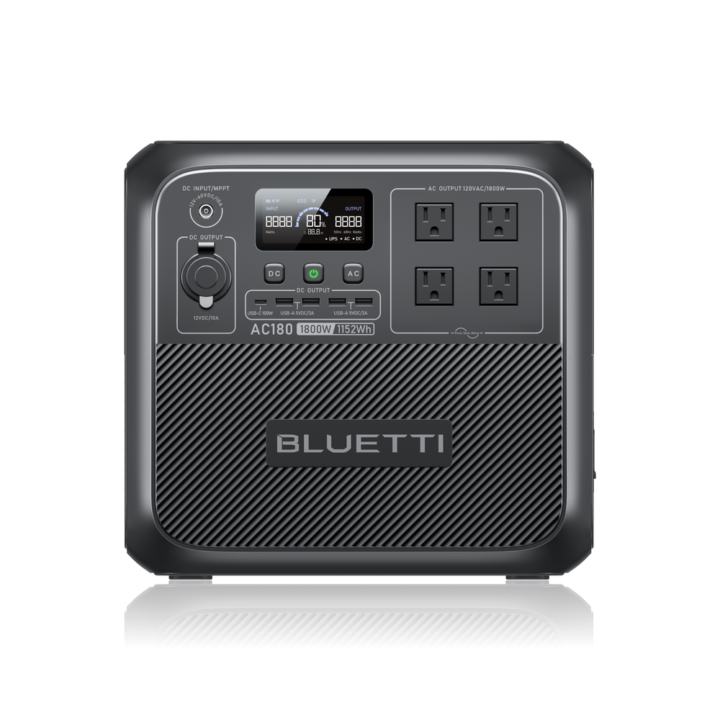
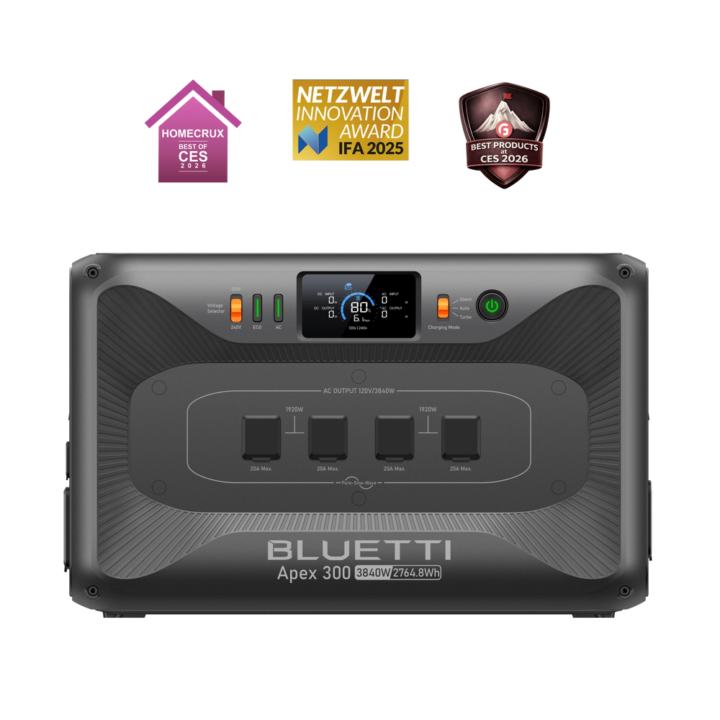
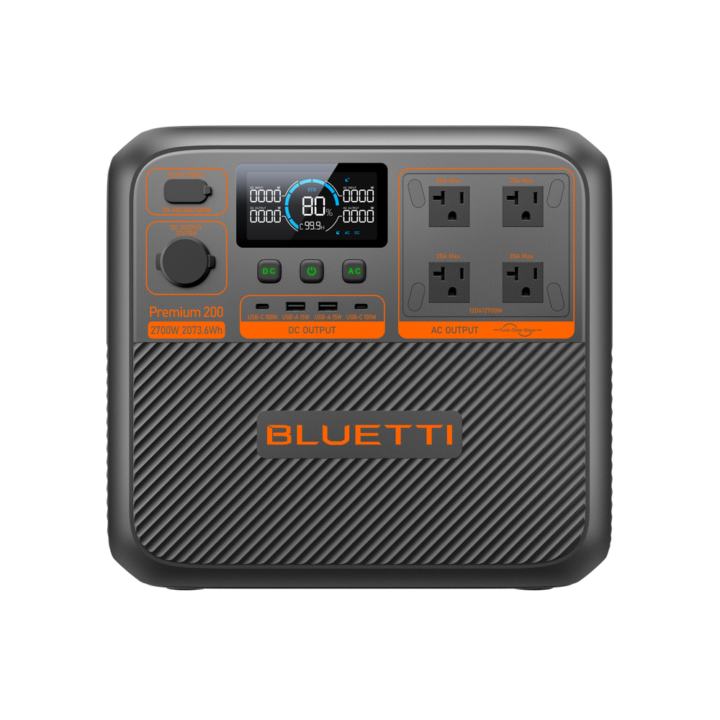
Picks for your van & tiny home
Questions people ask
How do I keep things from moving in a van while driving?
Use three layers: latches or latching lids on everything that opens, straps for heavy items, and non-slip liner on shelves. Then take a short test drive and fix whatever moves.
Where should I store water in a camper van?
Low and near the middle of the van, between the axles. At about 8.3 lb per gallon, water is heavy, so keep it off high shelves and strap jugs so they can't slide.
How much storage space do I need in a van?
It depends on how long you travel, but every item should earn its spot. Pack for a long weekend first, note what you actually reach for, and build storage around that list before adding more.
Every idea in this guide on one page, to tick off as you go.
Open the printableNew guides and honest picks for every size of home. No spam. Unsubscribe anytime.