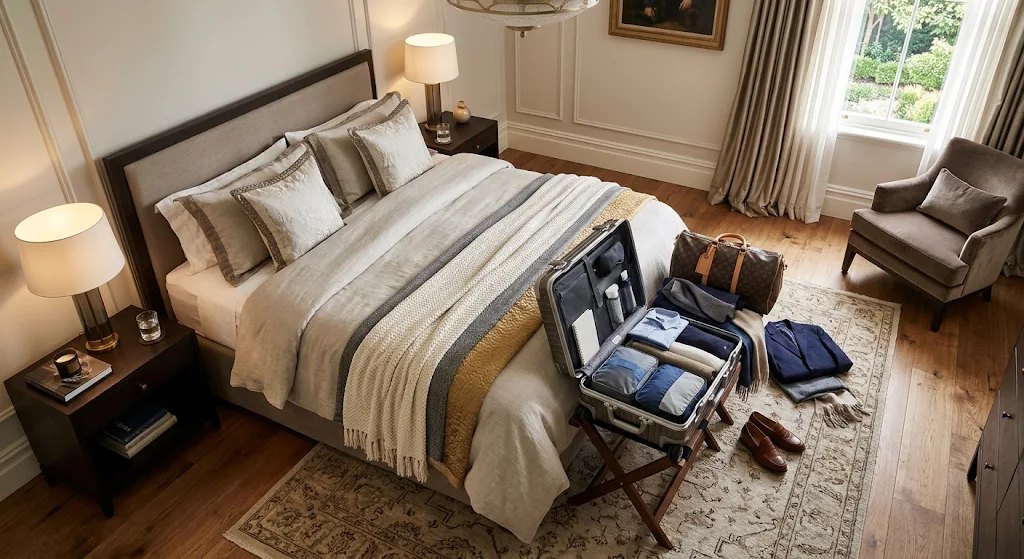
How to choose storage baskets for a living room

Baskets are the easiest way to make a living room look calm. Throws, remotes, kids' toys and magazines all disappear into them, and the room feels softer right away.
But a basket that's an inch too wide won't go into the shelf, and one that's too small just becomes another thing to trip over. A little measuring first saves you from returns and from a room that still looks cluttered.
This guide walks you through what to measure, what matters when you choose, and the mistakes that trip people up. It works whether you have a small apartment, a van, a tiny home or a big family room.
Measure first
- The pile you want to hideGather the things that need a home: throws, toys, remotes, magazines, yarn. Stack them loosely and measure the pile's width, depth and height in inches (and centimeters). Your basket needs to be a bit bigger than that pile, not the same size.
- The inside of your shelf or cubbyMeasure the opening's width, height and depth from the inside, not the outside edge. Write all three down. Take off about 1 in (2.5 cm) from the width and height so the basket slides in and out without scraping.
- The floor spot, if the basket will sit on the floorMeasure the width and depth of the space beside the sofa, under a console or in a corner. Then tape that rectangle on the floor with painter's tape and live with it for a day. You'll see right away whether it blocks a path.
- The walkway and any doors that swingMeasure from the basket's spot to the nearest furniture or doorway. Try to leave about 36 in (91 cm) for a main walkway. Check that cabinet doors, drawers and room doors can still open fully.
- The height you can reachStand where you'd normally sit or stand when using it. For a basket on a high shelf, measure how high you can comfortably reach and lift from. Anything heavy should live low.
What matters
Match the basket to the spot first, and the style second. Square baskets use shelf cubbies well, since there's no wasted corner. Round or oval ones soften a sharp corner of the room and sit nicely beside a sofa. For blankets, go wide and fairly tall. For small items, go shallow so you can see what's inside and don't dig to the bottom.
Woven rattan, seagrass and rope look warm and natural, but they can snag knits and trap dust. Fabric and felt baskets are soft and quiet, and they suit a room with kids, but they can sag when half empty. Think about spills and pet hair. A basket with a removable liner is easier to keep clean. Pick a texture that fits the rest of your room.
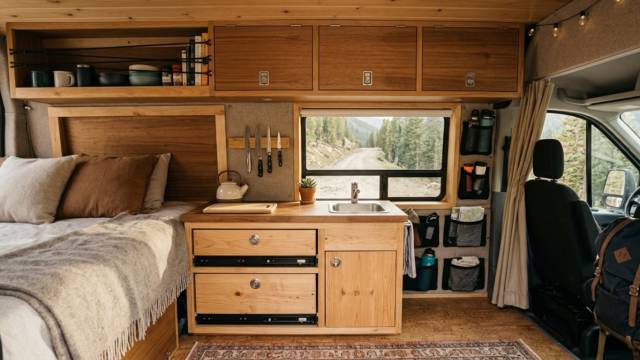
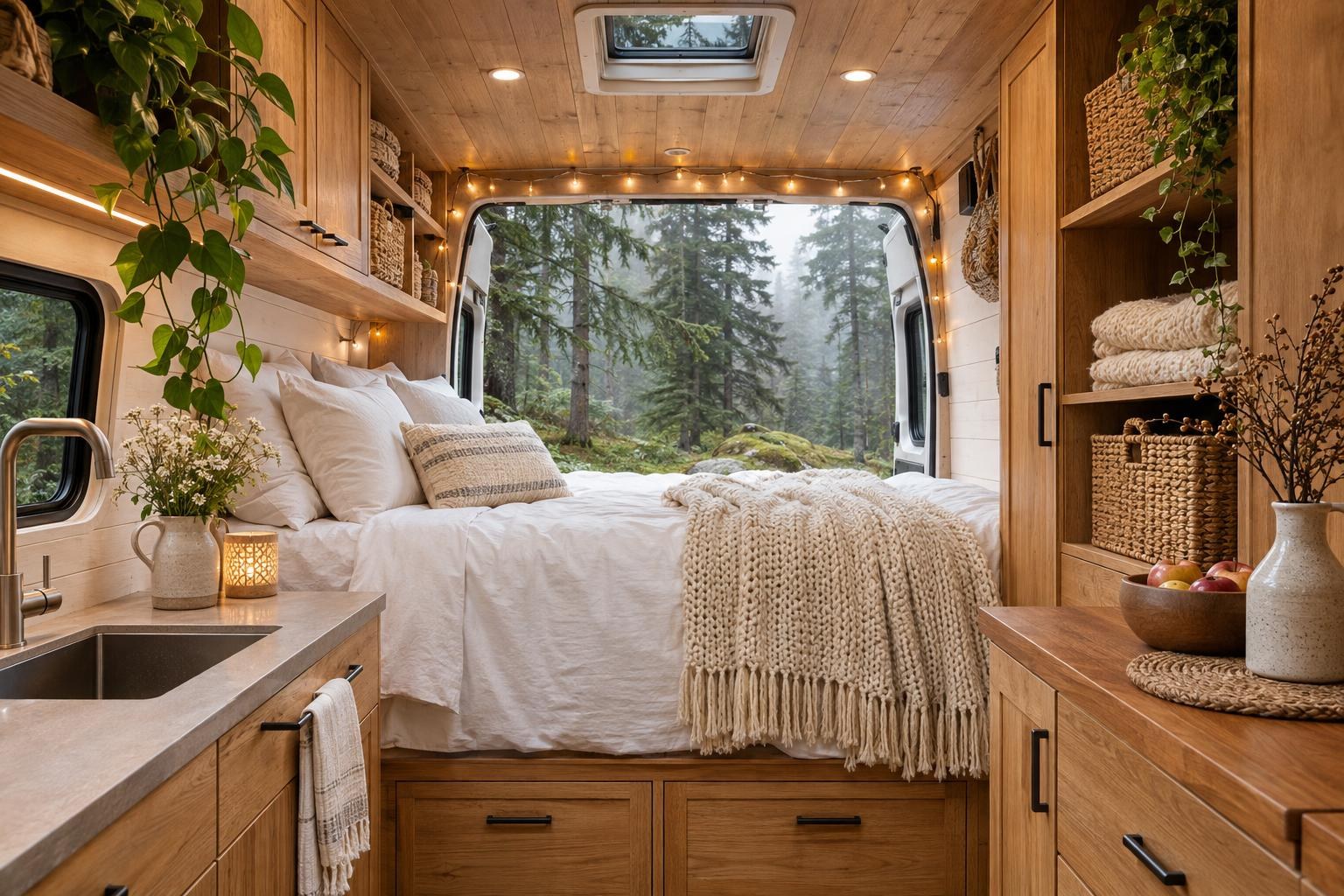
If you'll lift a full basket often, look for handles that are sturdy and wide enough to grip. Cut-out handles are neat but can be tight for small hands. If you live in a van or tiny home and things shift as you travel, choose a firm-sided basket or one that fits snugly so it can't slide around.
An open basket is quick for daily things like toys and throws. A lid or a cover hides what's inside, which is better if you have curious pets or visual clutter that bothers you. If you only have a few spots for baskets, put the closed ones in the most visible places.
Mistakes to avoid
- Buying before measuring the inside of the shelf. The outside of a cubby is not the space you can use, so measure the opening.
- Choosing one large basket for everything. One big catch-all fills up and turns into a mess. Two or three medium baskets sorted by use are easier to live with.
- Forgetting how it looks half empty. Soft baskets can slump or flop over when they're not full, so check whether the sides stand up on their own.
- Putting heavy things in high baskets. Keep books, tools and big throws low, and save the top shelves for light things like napkins or décor.
- Mixing too many looks. Pick one or two materials and a short color range, and the room will feel calm even if the baskets are different sizes.
- Blocking the walkway. Tape the footprint on the floor first, so you aren't stepping around a basket every time you cross the room.
Our picks by need
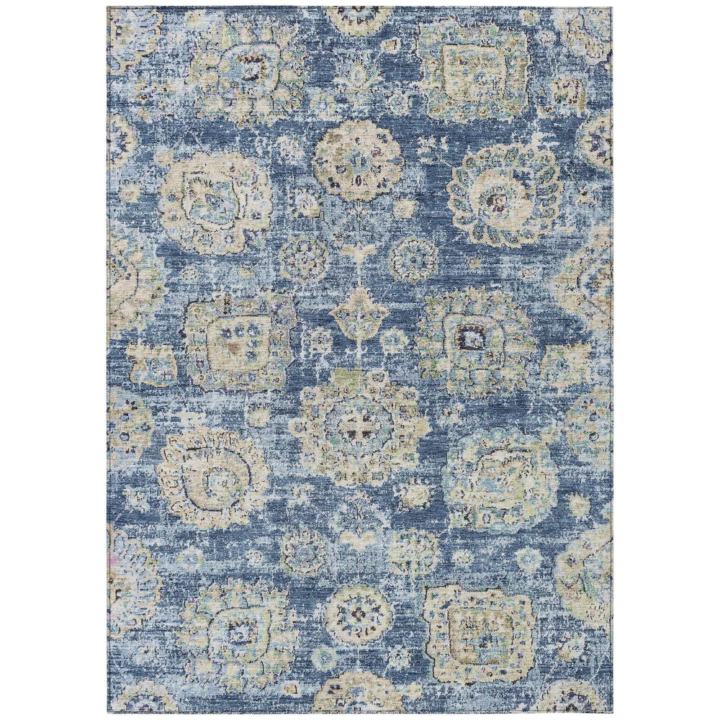 Best for figuring out what problem you're solving firstBlack Friday gift guide: living room gift ideasCompare the picks
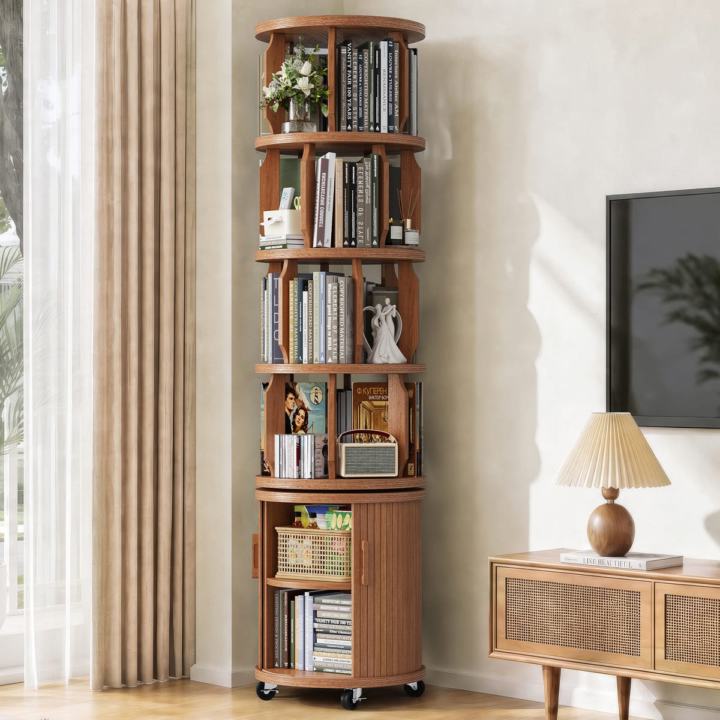 Best for a corner that needs shelves plus a hidden cabinetIs a 360 Rotating Bookshelf Right for Your Corner?See the pick
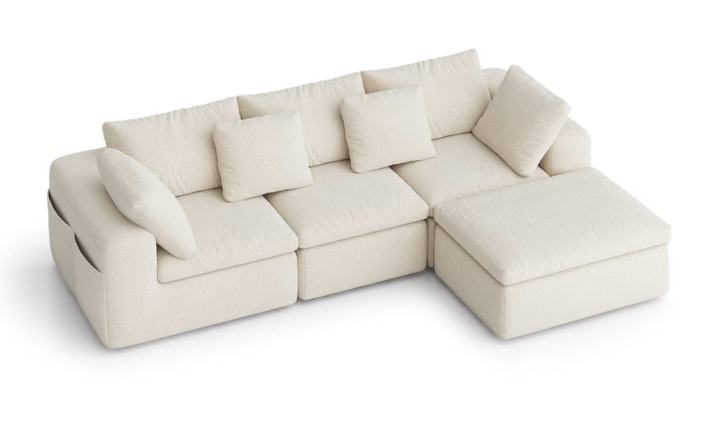 Best for planning basket spots around a big sofaModular Sectional Sofa: Put the Chaise on Either SideSee the pick
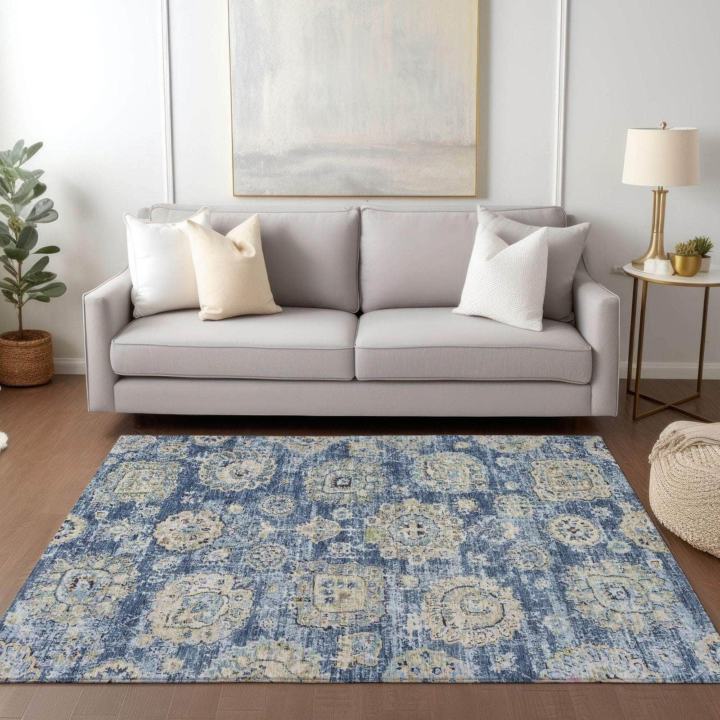 Best for a washable rug under a basket zone with kids and petsA Machine Washable Rug for Muddy Paws and SpillsSee the pick
Questions people ask
How many storage baskets does a living room need?
It depends on your clutter, not on a rule. Start with the pile you measured. Many rooms do well with one for throws, one for toys or media bits, and one for odds and ends. Add more only if you still have stray items after a week.
What's the best size basket for blankets?
Measure your folded or loosely rolled blankets, then choose a basket a few inches wider and taller than that. A wide, fairly deep basket lets you drop a throw in without folding it perfectly, which is how it gets used.
Should baskets match?
They don't have to. A shared material or color is enough to look pulled together. A mix of sizes in the same tone often looks more relaxed than a perfect matching set.
How do I keep baskets from looking messy?
Give each one a single job, like "throws" or "toys", and keep a little empty space at the top. If a basket is always overflowing, it's too small or it's holding too many types of things. Move some items to a second basket or a hidden cabinet.
Are baskets a good idea in a small living room?
Yes, as long as they earn their floor space. Use baskets inside shelves or under a console, or choose one slim basket beside the sofa. In a small space, a basket that's shaped to the spot beats one that's simply pretty.
A printable checklist for measuring your shelf opening, floor spot and walkway, and for matching basket size, material and handles to what you need to store.
Open the printableNew guides and honest picks for every size of home. No spam. Unsubscribe anytime.